SOLUTIONS
COMMUNITY
LICENSES
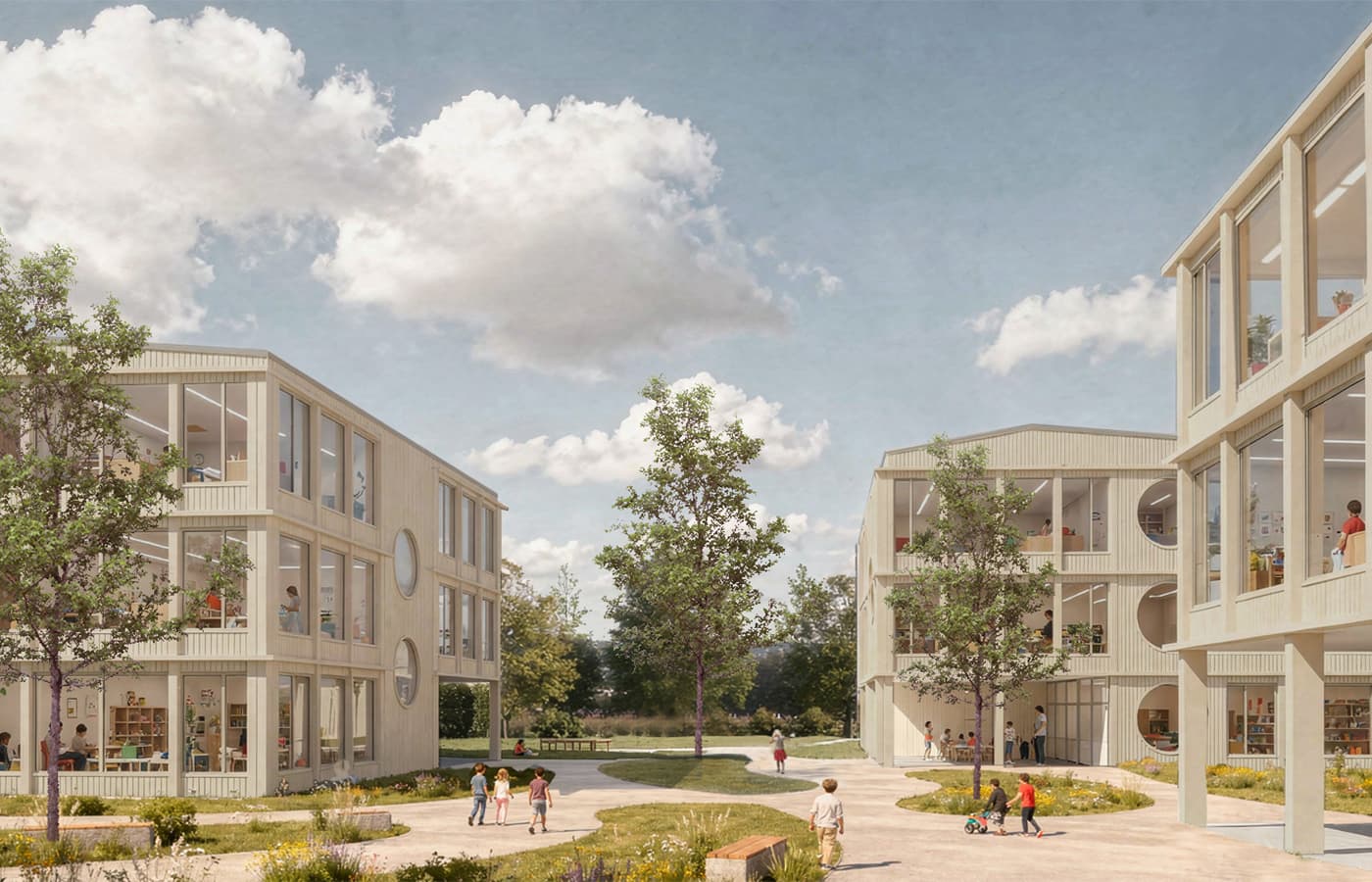



AI IMAGES FOR ARCHITECTURE. FINALLY WITH CONTROL.
Most AI tools are great. Until precision is required. Today, architects use AI image generators daily for designs, atmospheres, and quick iterations.
In a few seconds, impressive images are created. Ideas become visible. Variations can be tested faster than ever before. But as soon as a project becomes more concrete, the real problem begins:
- Geometry changes.
- Materials are misinterpreted.
- Facades suddenly get different textures.
- Walls turn into windows.
- Floors disappear.
The more important the project becomes, the less control traditional AI image generators offer. That is exactly why typus.ai was developed.
Typus.ai connects the creative freedom of modern AI with the precision that architectural projects require.
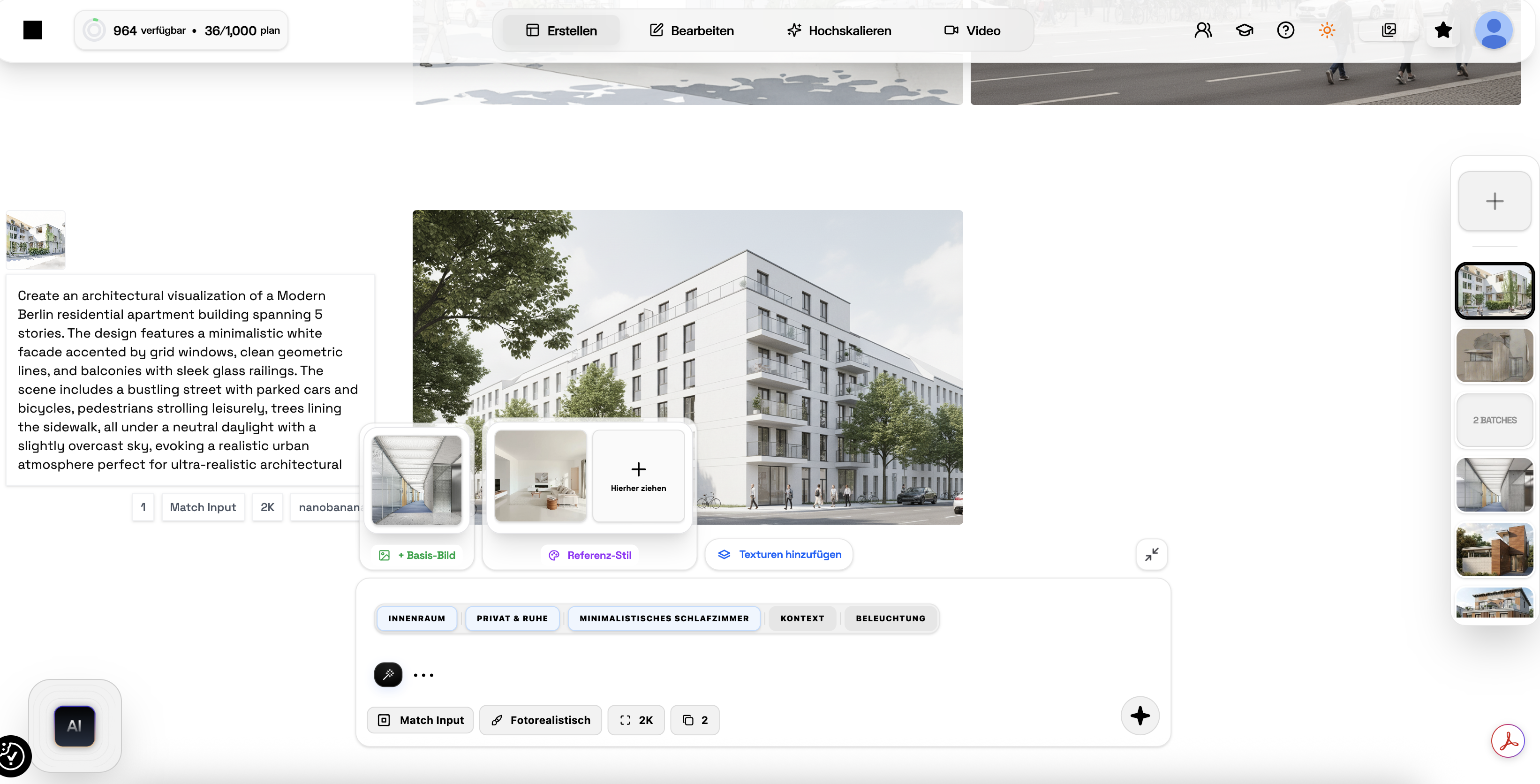
Upload your base image.
Whether it is a screenshot from Rhino, Revit, Archicad, SketchUp, or a simple CAD view: your starting image remains the foundation. The geometry is preserved. You determine what changes – and what does not.
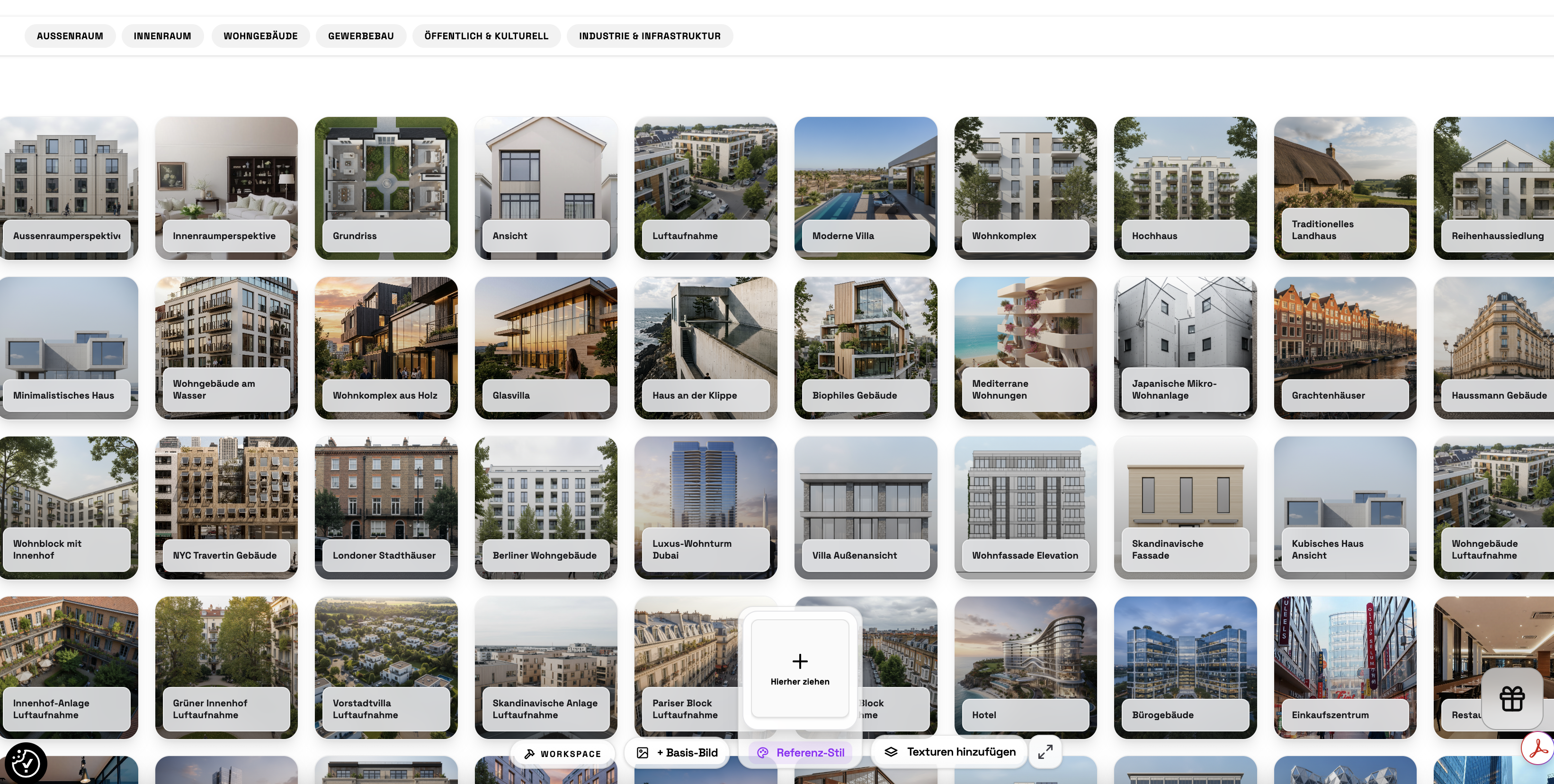
Do not describe your project. Define it.
Simply choose suitable keywords for atmosphere, use case, style, and character. Typus.ai analyzes your selection and automatically generates a project-specific prompt. No prompt engineering. No hours of experimenting. Just precise inputs for precise results.
Inspiration when you need it.
As your prompt is generated, Typus.ai suggests fitting reference images. Use them as an additional source of inspiration, or upload your own references. However, you don't have to use reference images. The combination of keywords and the automatically generated prompt already delivers convincing results.
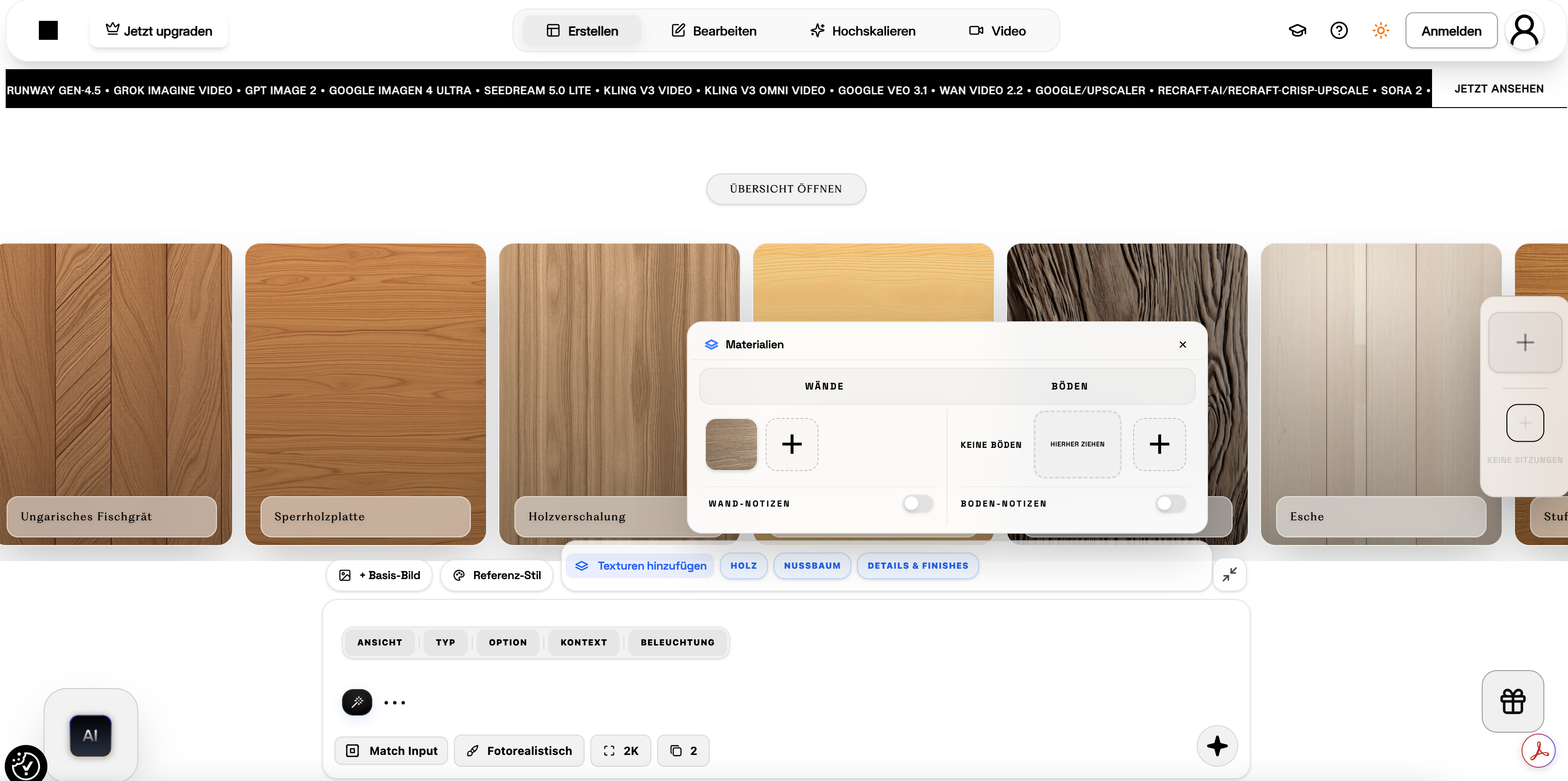
Assign materials where they belong.
With Typus.ai, you select specific materials and textures and assign them to specific areas. Wood remains wood. Concrete remains concrete. Natural stone remains natural stone. Define wall surfaces, floor coverings, and other properties directly within the project. Typus.ai automatically generates a highly precise prompt from this, incorporating your material choices. Naturally, you can also upload your own textures. The result: visualizations that follow your planning – not the assumptions of an AI.

Generate. Compare. Decide.
Select your preferred AI model. Determine resolution and number of variations. Click 'Generate'. In just a few moments, you will receive multiple high-quality visualizations of your project – with significantly more control than conventional AI image generators.
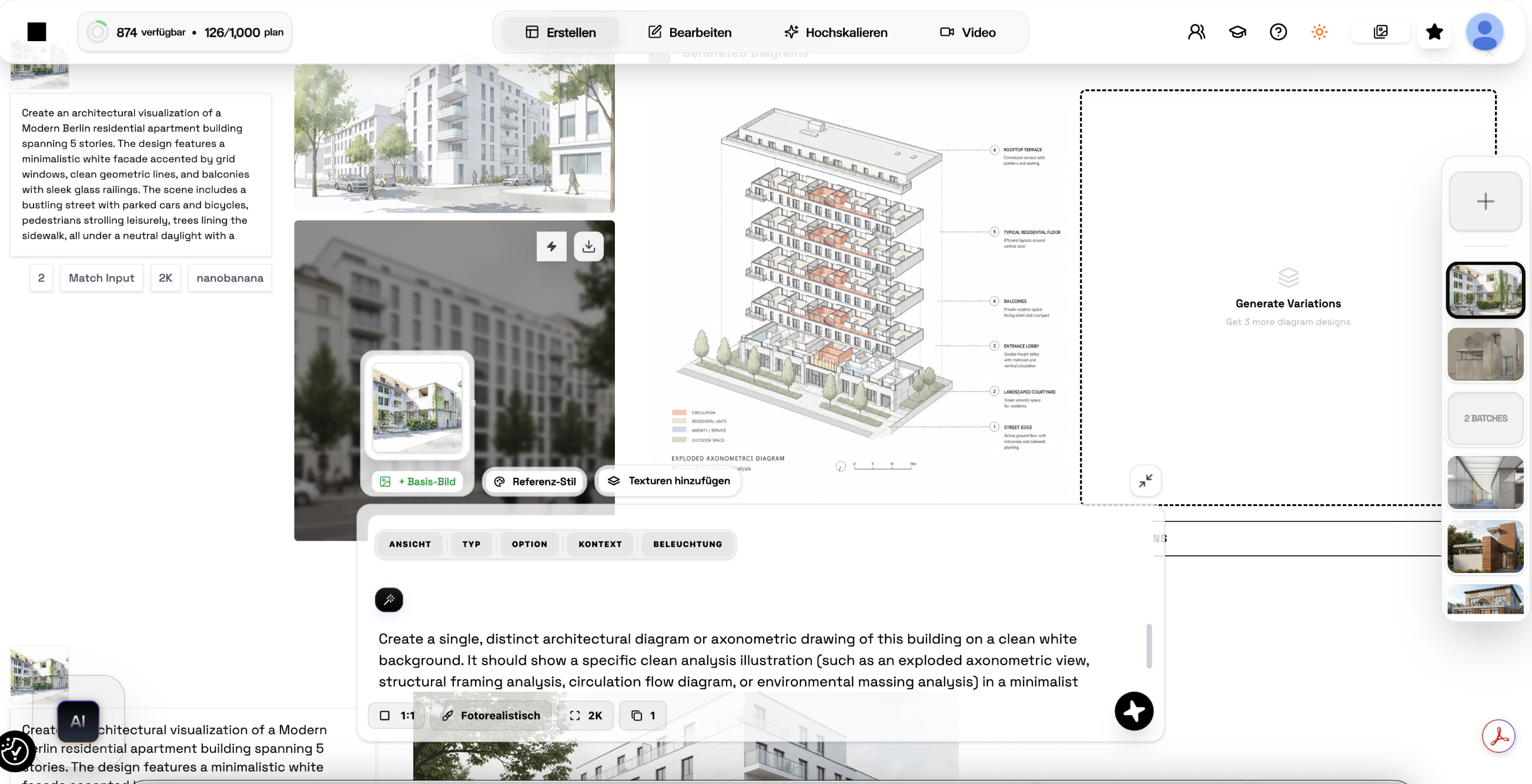
One image becomes a complete presentation set.
Most AI tools generate single images. Typus.ai creates a consistent project. With just one click, automatically generate multiple camera perspectives of your design from a single visualization. Interior and exterior views, detail shots, and alternative angles remain stylistically, atmospherically, and materially consistent. What normally takes hours of manual editing is created in a few minutes.
But that is not all. From the same base, Typus.ai automatically generates axonometrics, exploded views, analytical diagrams, concept graphics, and other presentation styles – all in the same visual style and architectural language. This results in not just a single rendering, but a complete set of perspectives, diagrams, and presentation graphics.
Refinement instead of restarting.
Want to adjust specific areas? Simply click 'Edit'. Describe changes in natural language. Correct materials. Optimize vegetation. Change the atmosphere or lighting mood. Edit specific areas selectively without regenerating the entire image. Your visualization evolves step by step – just like your design.
Ready for competition and print.
Once you have the final result, send the image directly to the integrated upscaler. The resolution is automatically increased and optimized for large presentation boards, competition entries, prints, or marketing materials. This gives you not just fast drafts, but presentation-ready results in professional quality.
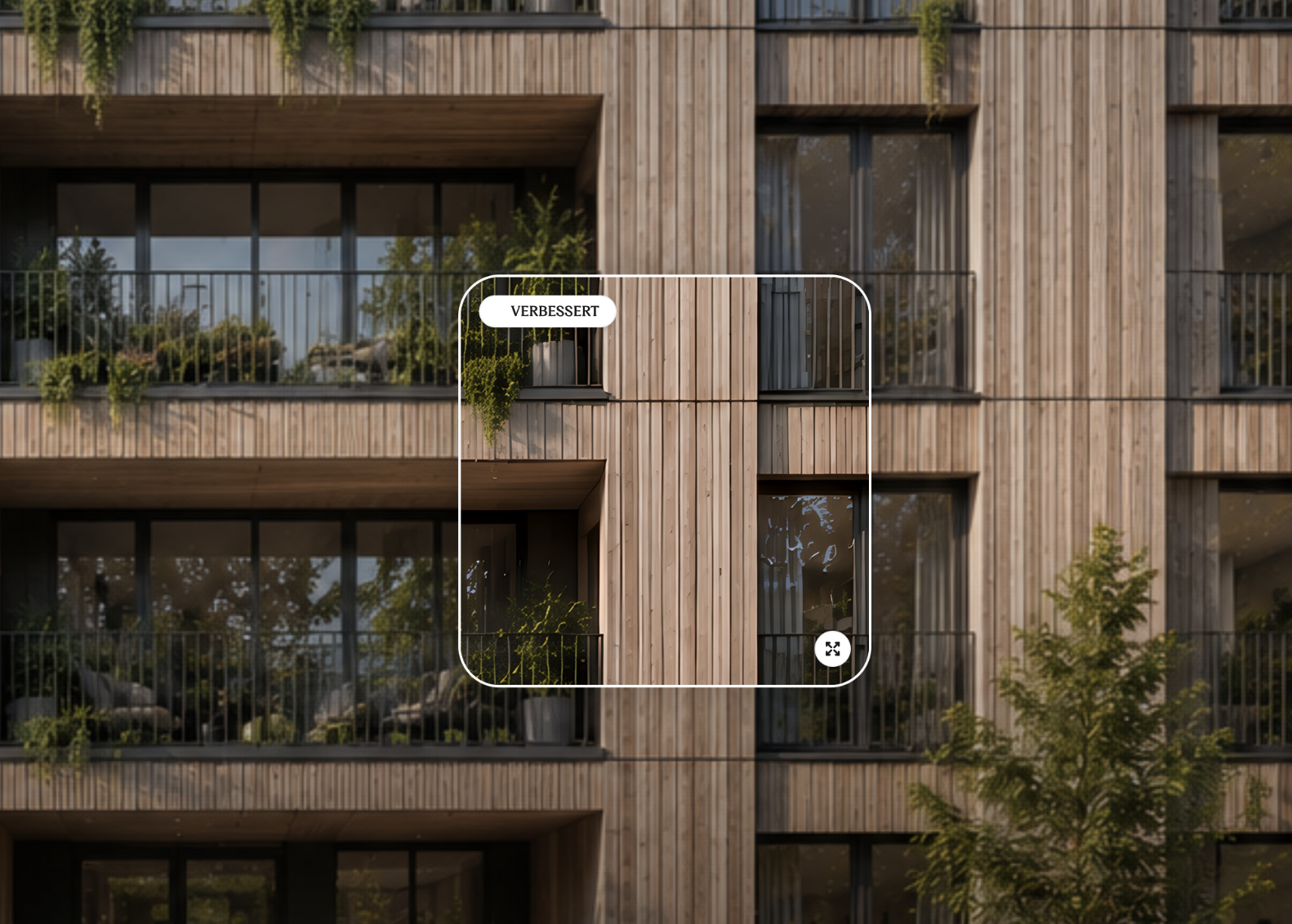
Sustainable housing
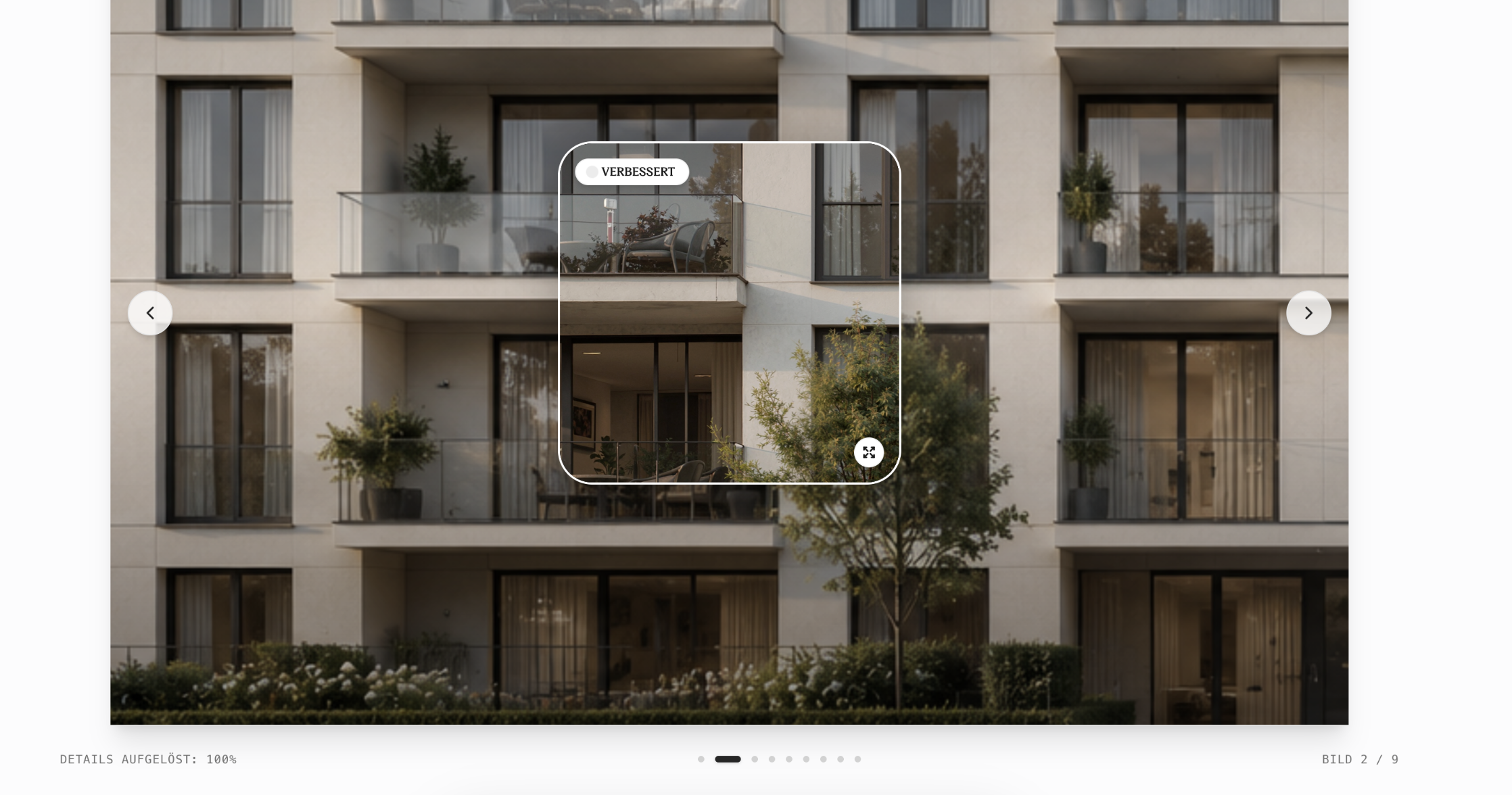
Urban Loft
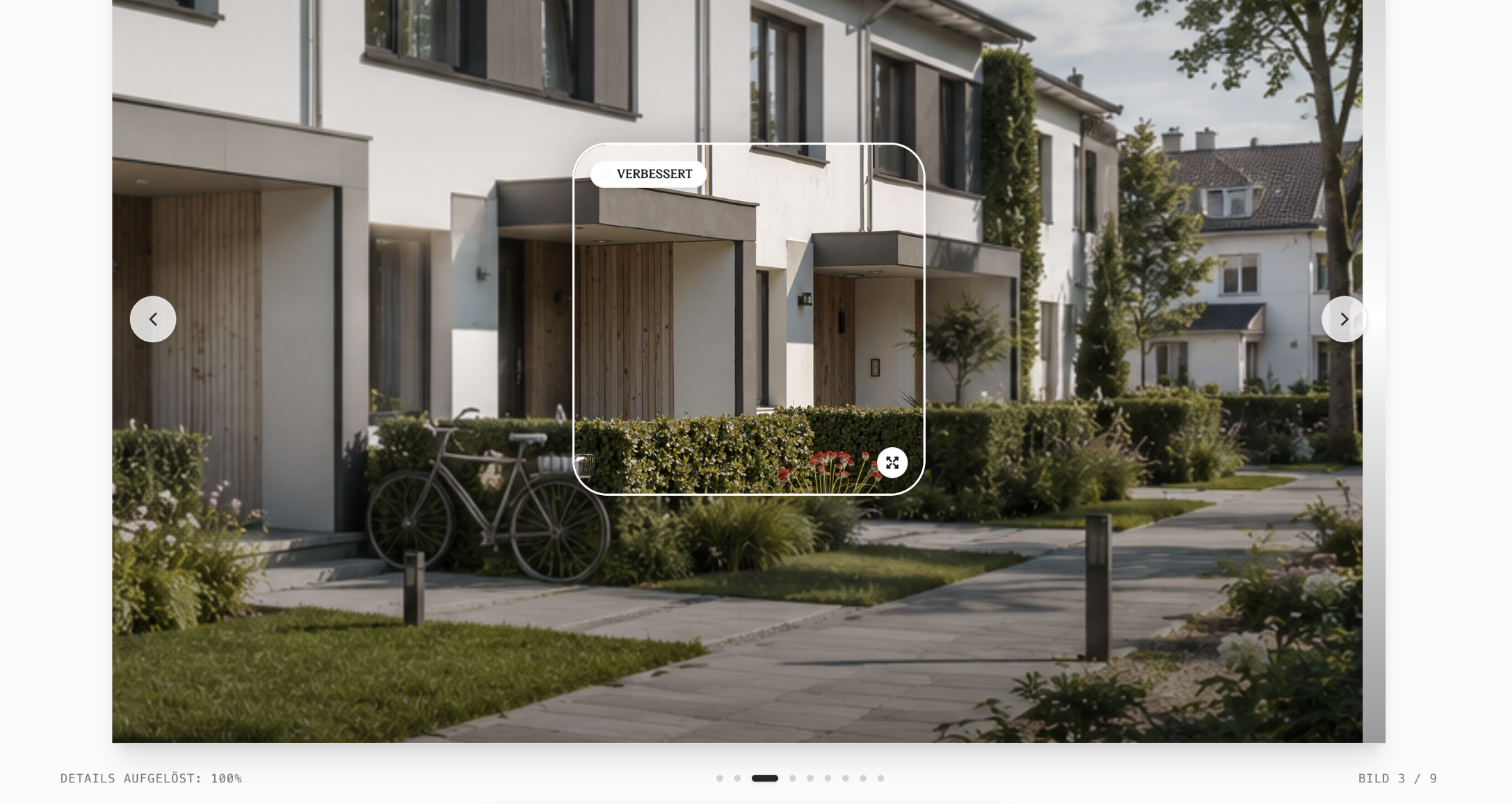
Suburban terraced house
Monolithic Concrete Tower
Glass Facade
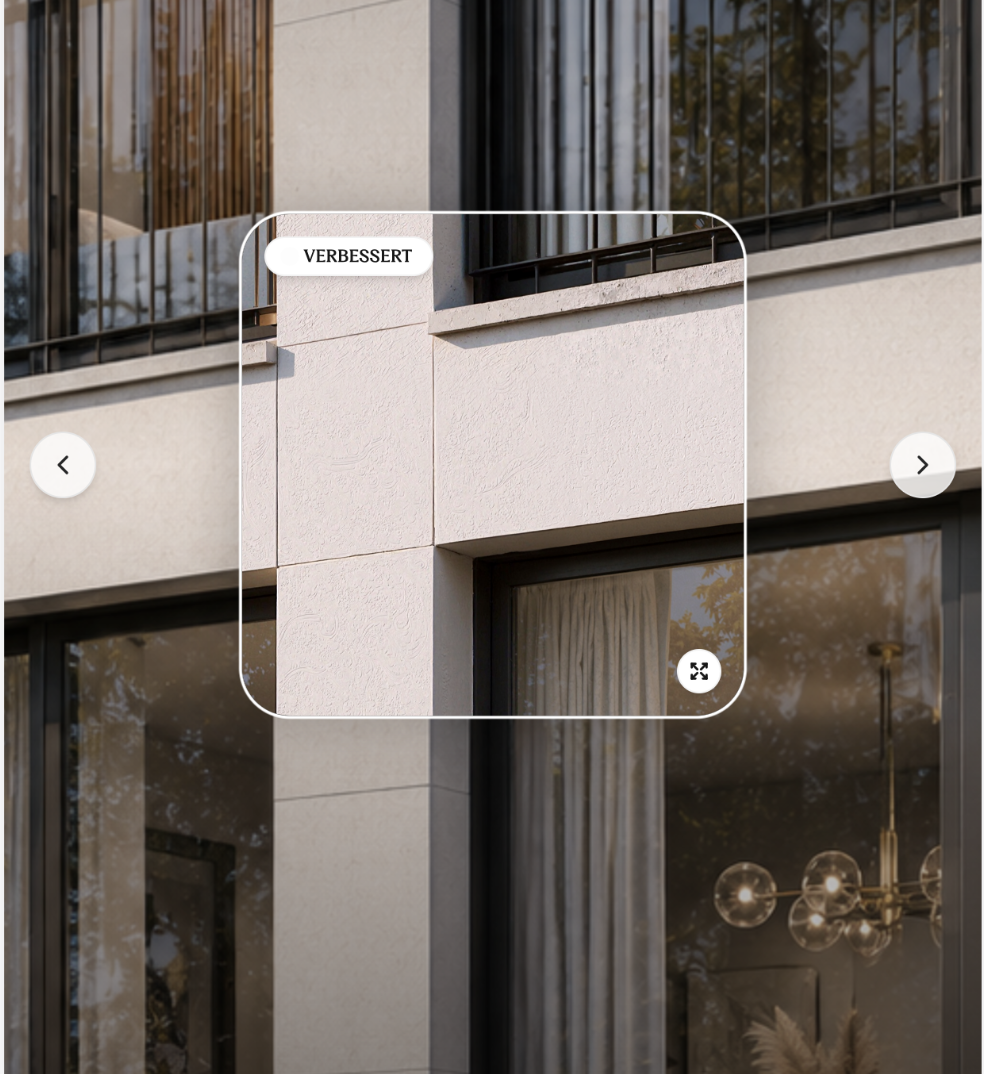
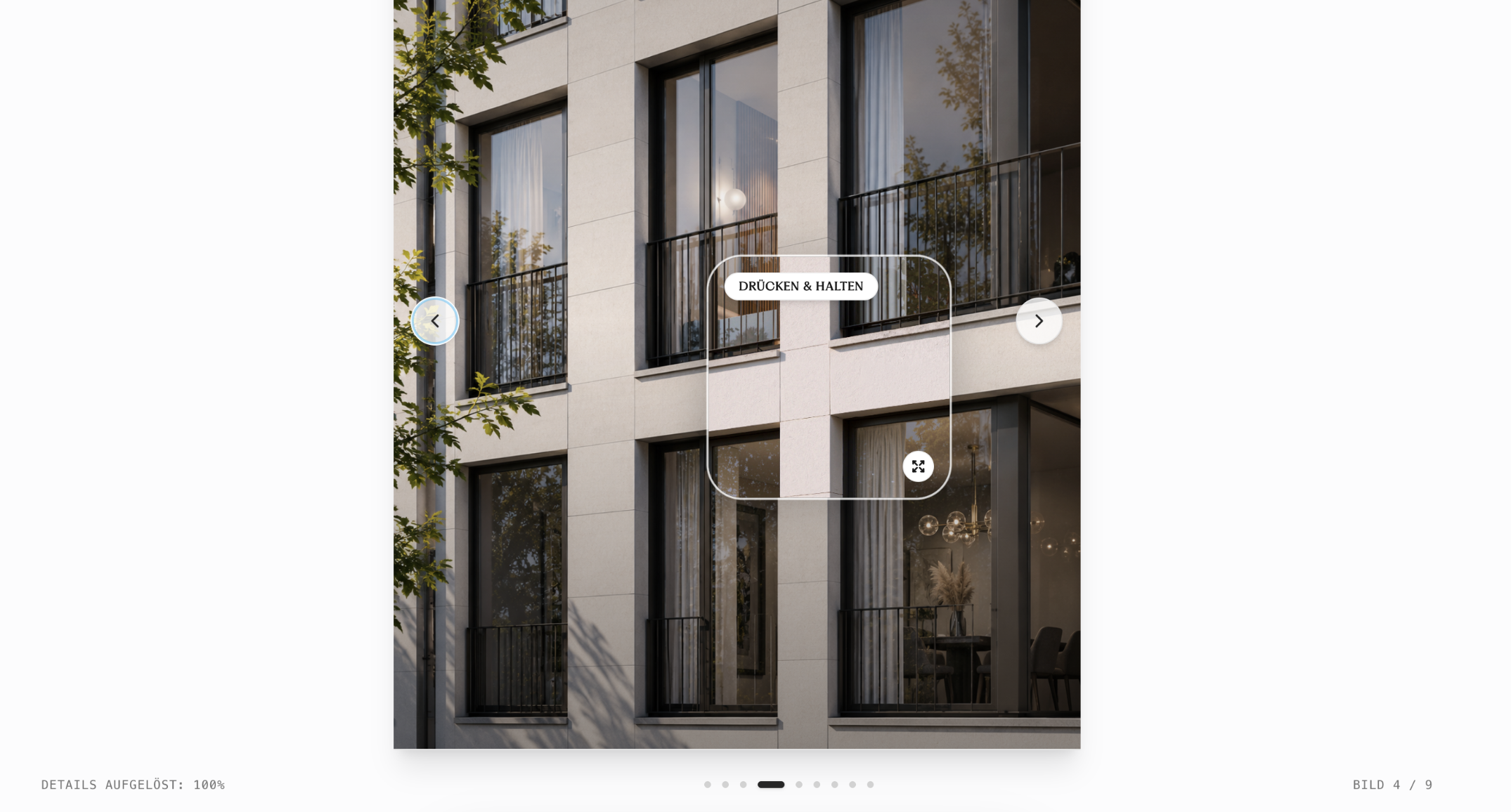
Artificial Stone Facade
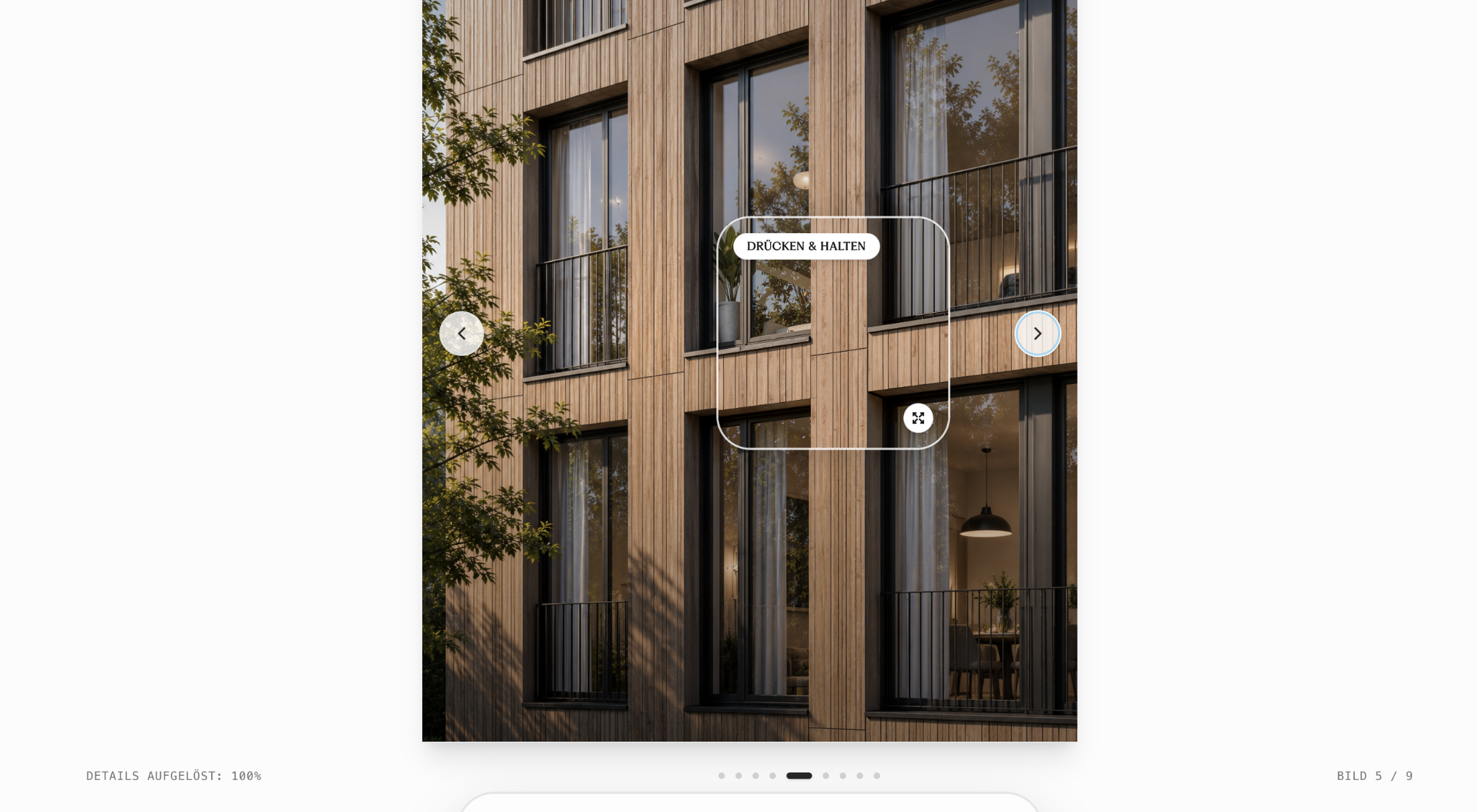
Facade details
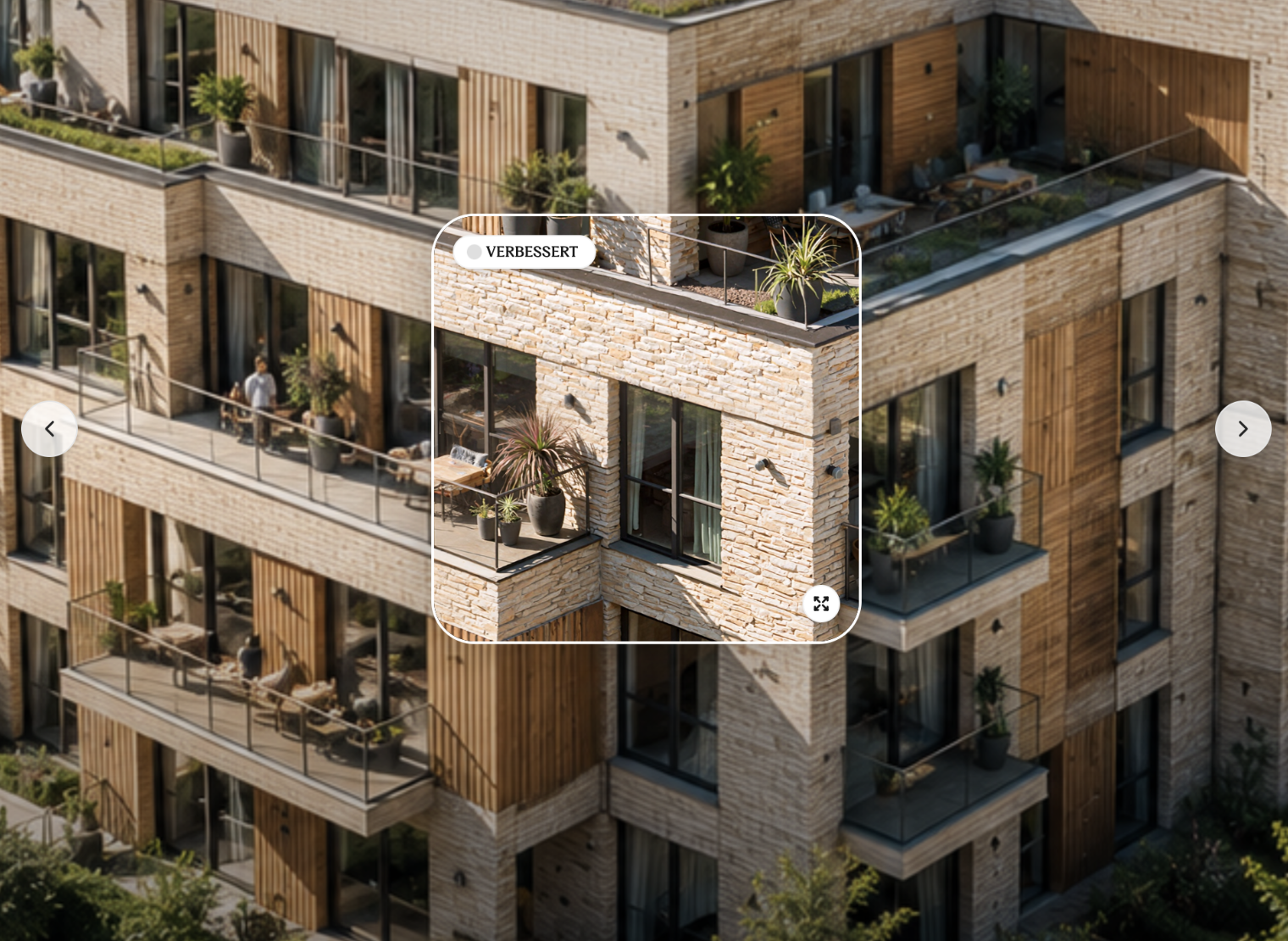
Waterfront Office
Courtyard Entrance
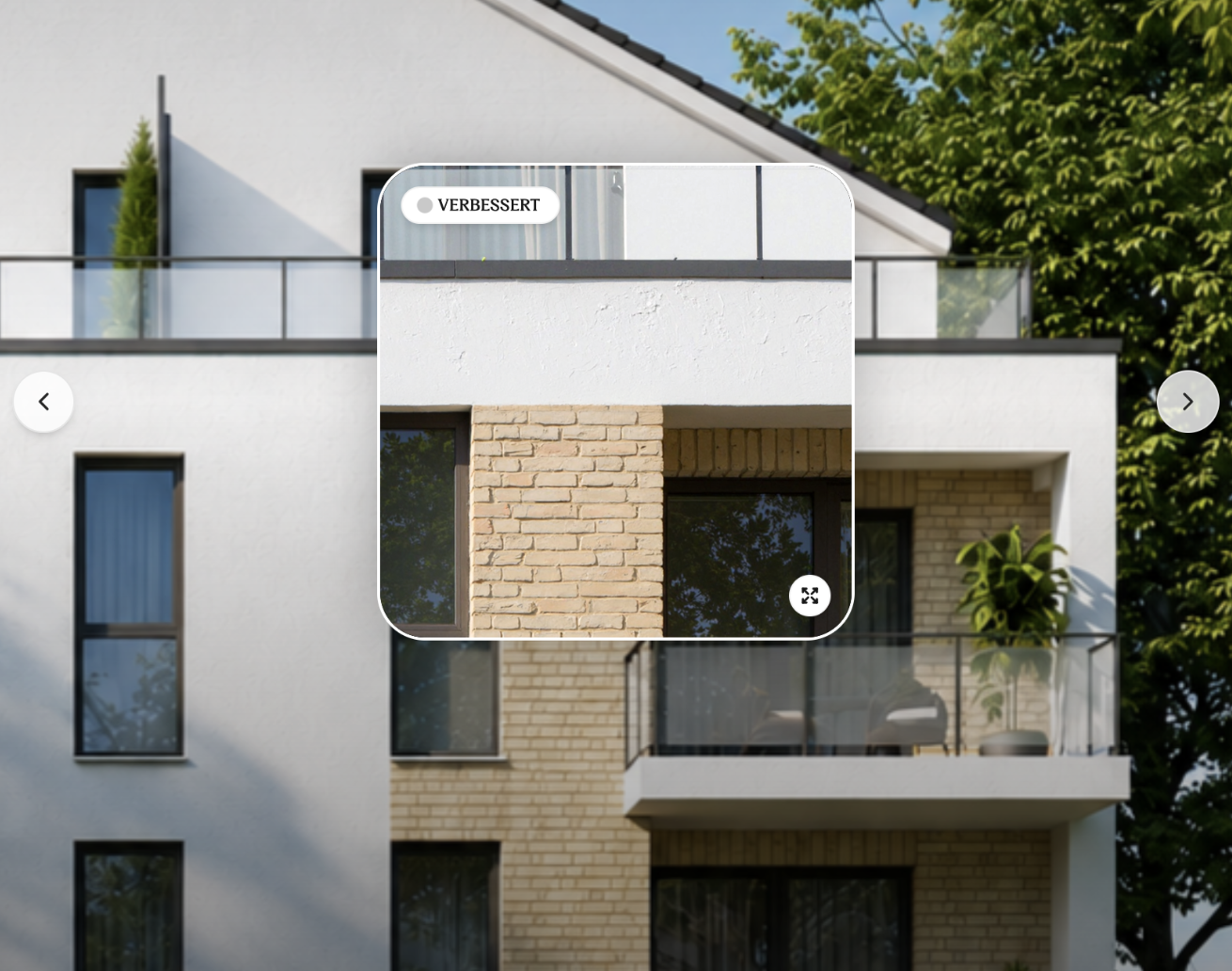
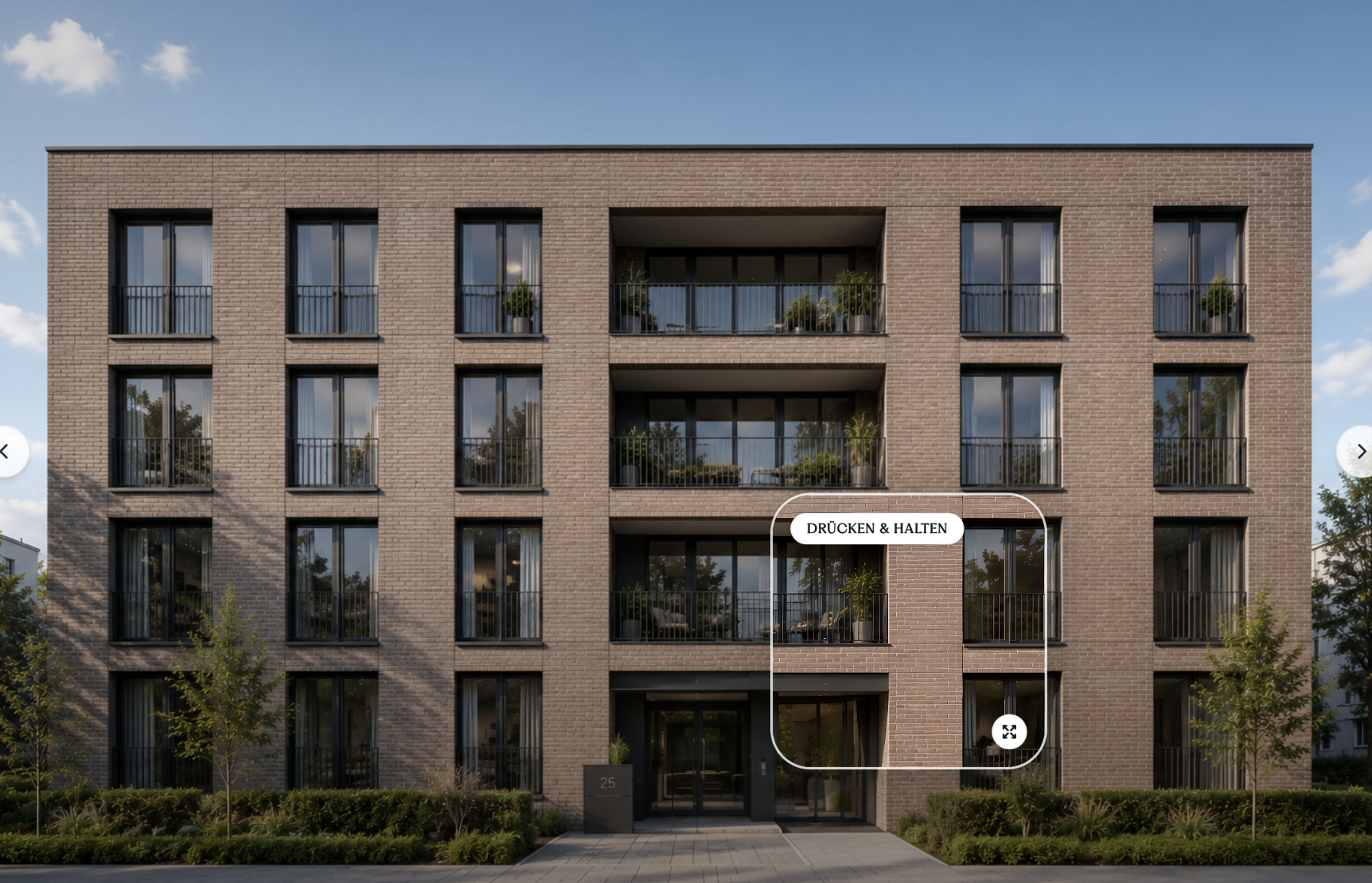
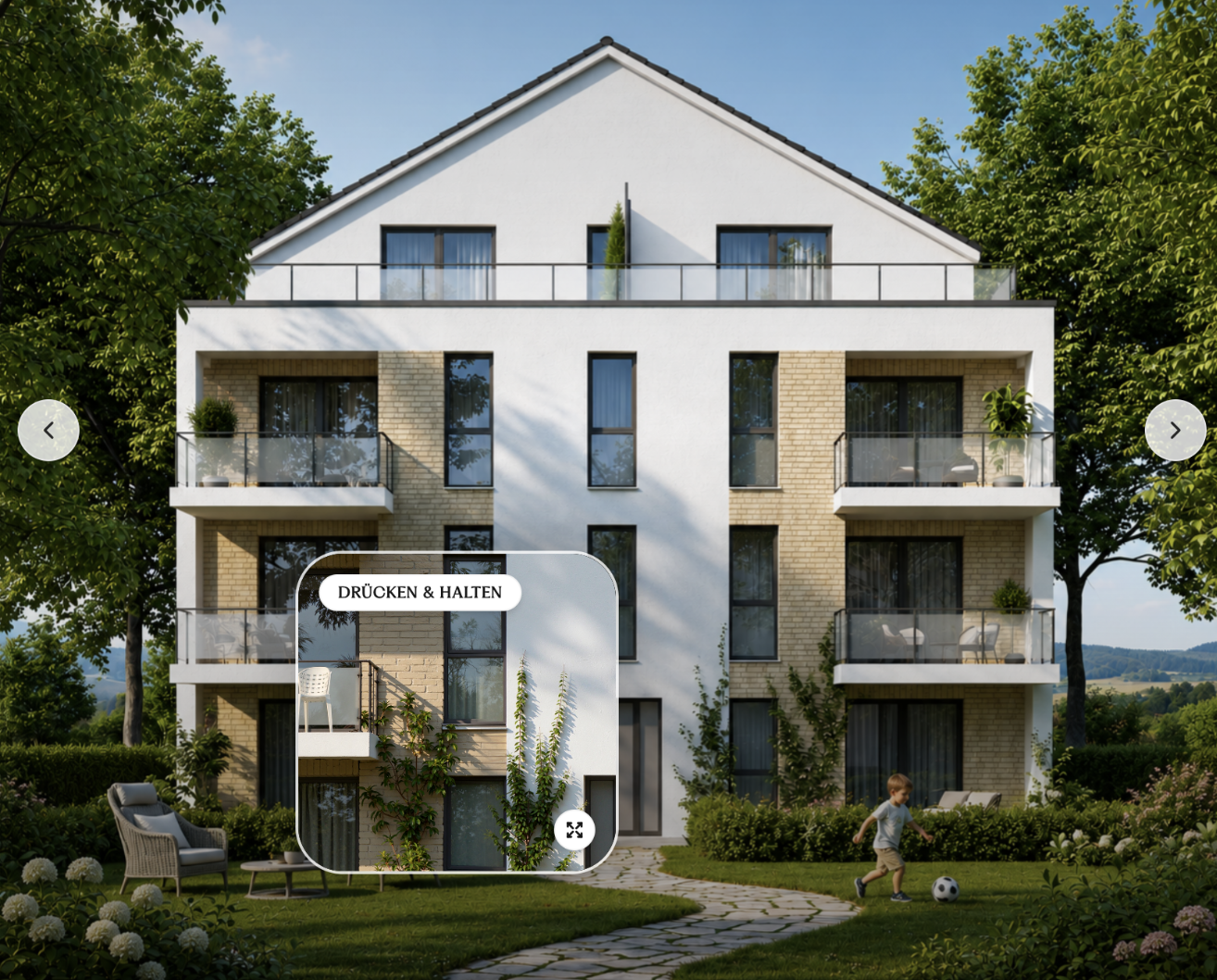
Renovated apartment building
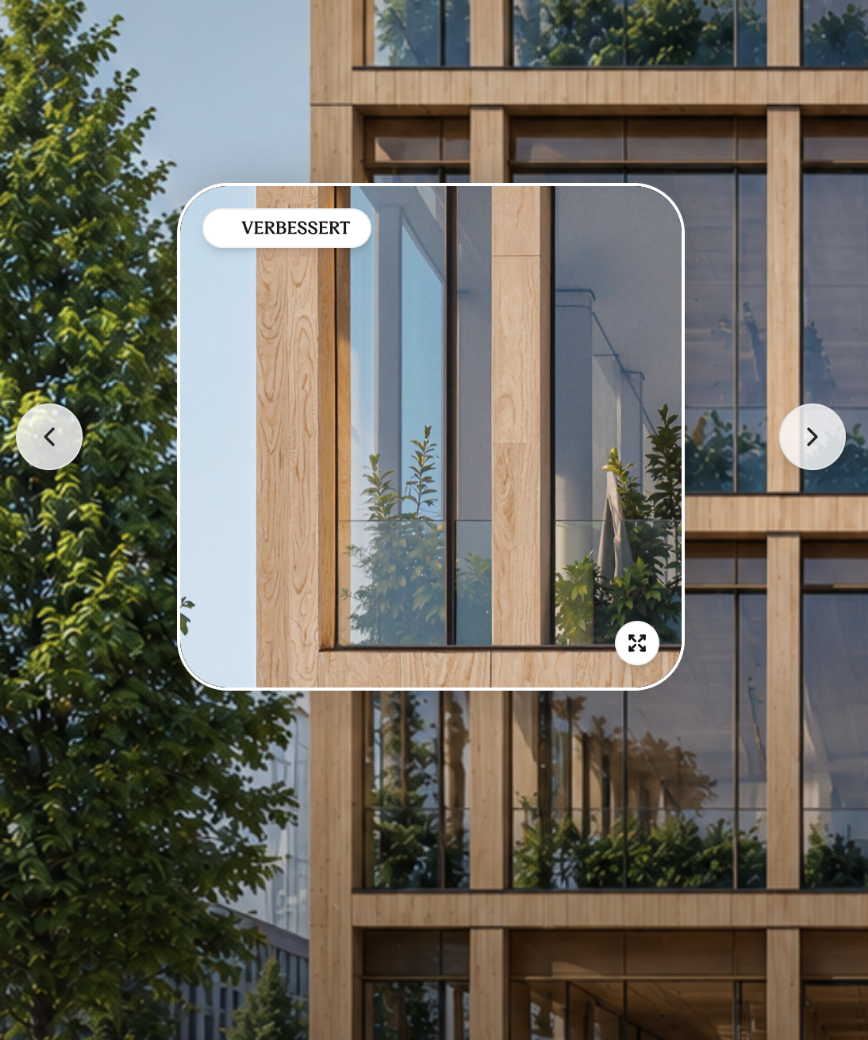
Wooden Facade
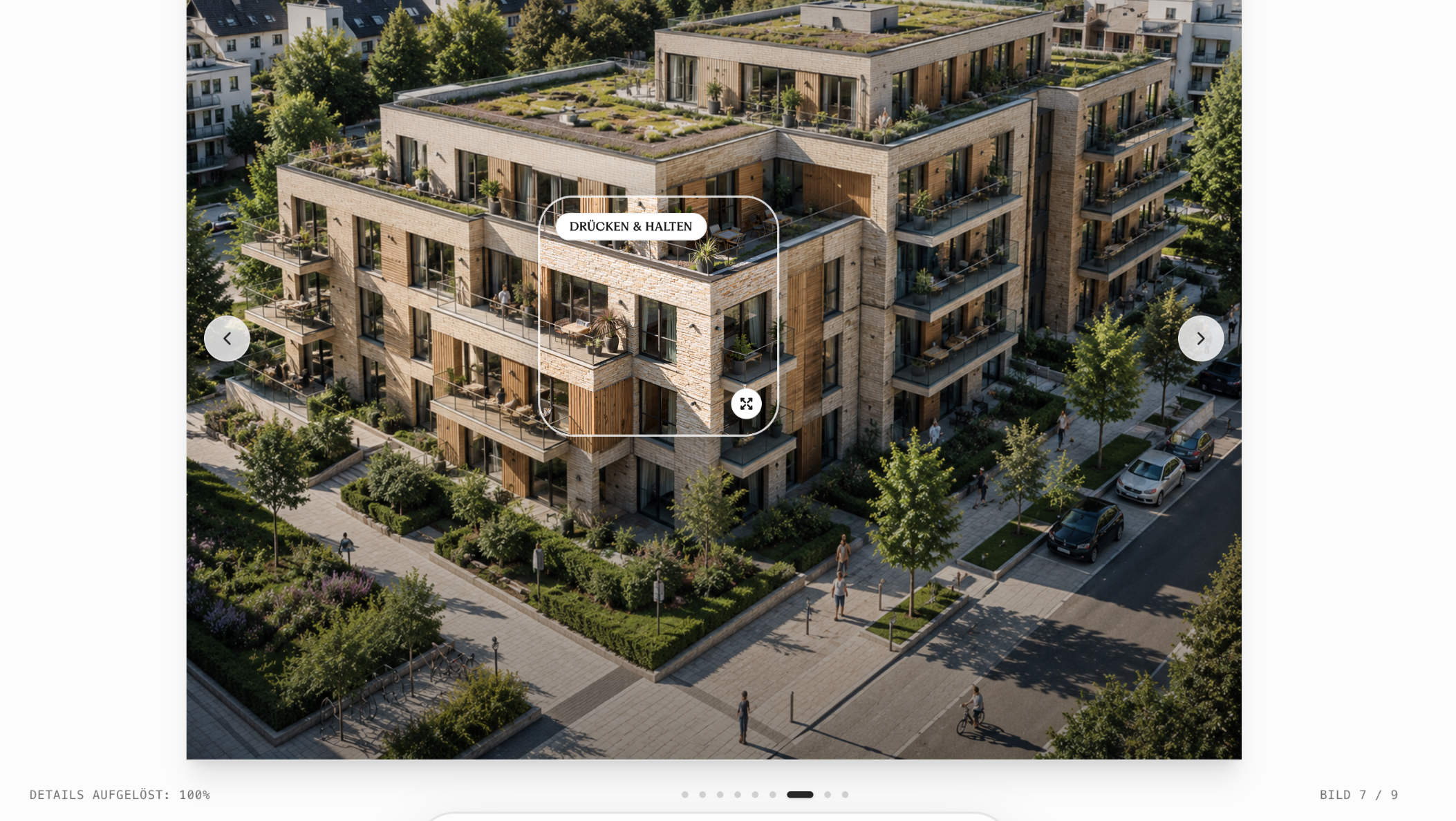
Apartment building
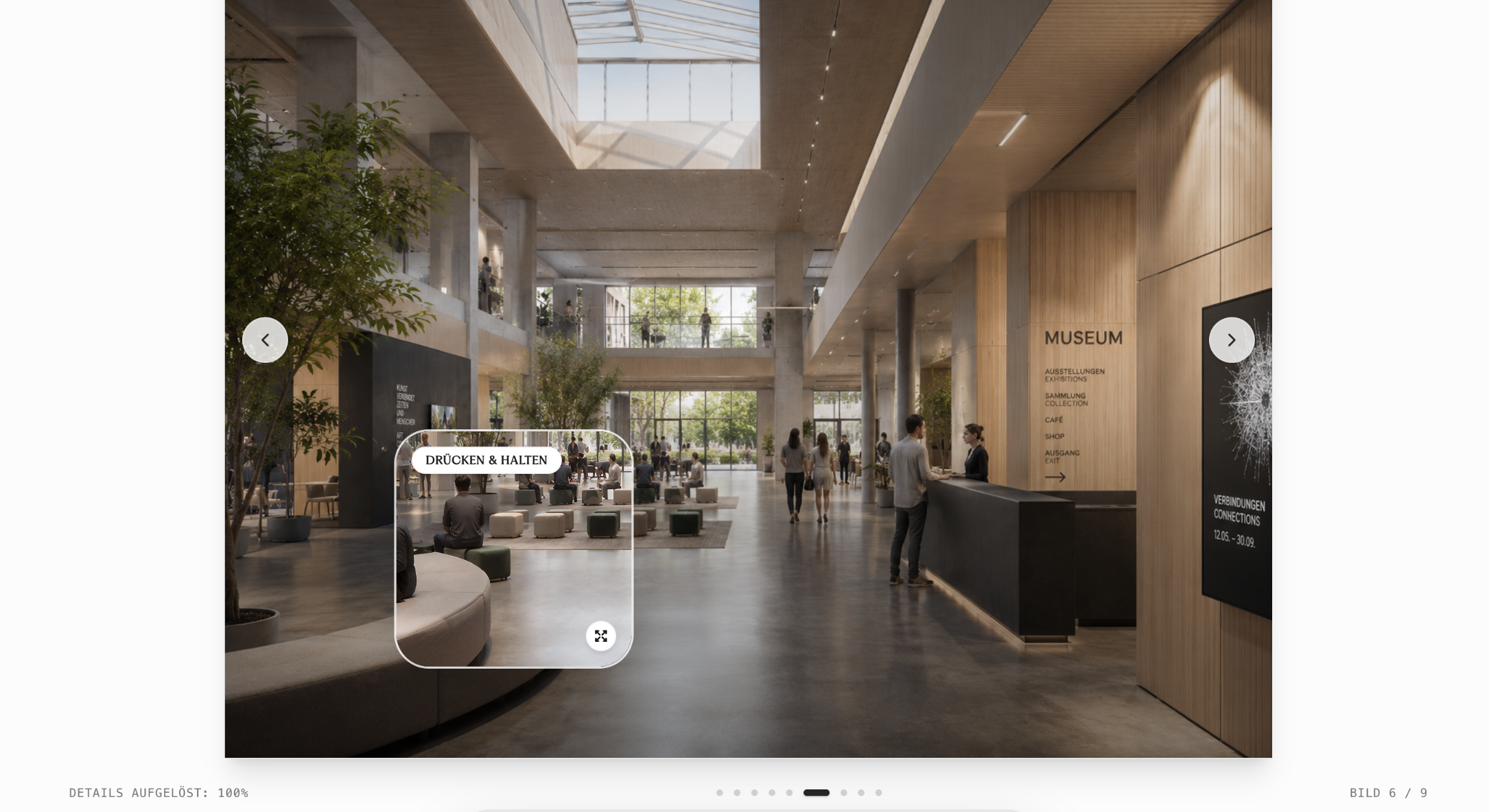
Interior
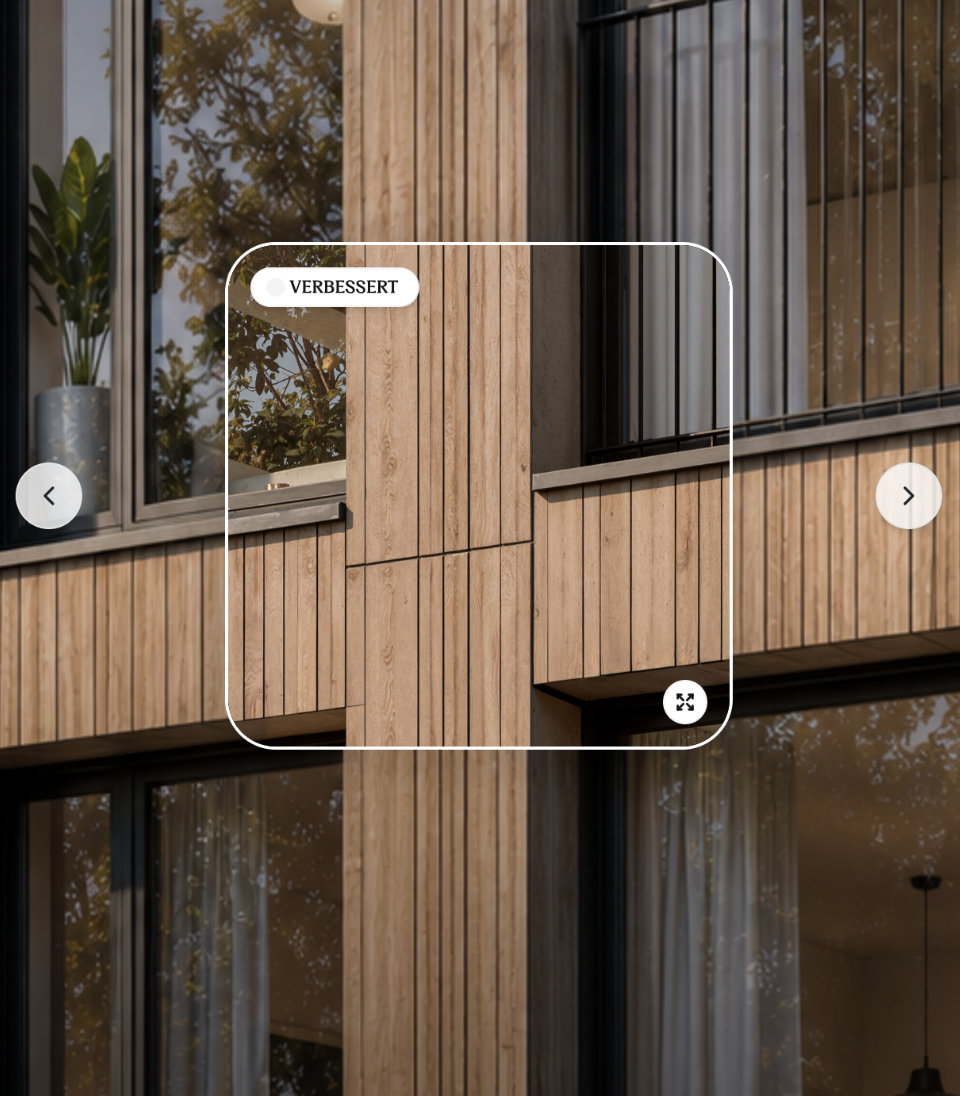
Grain of wooden facade
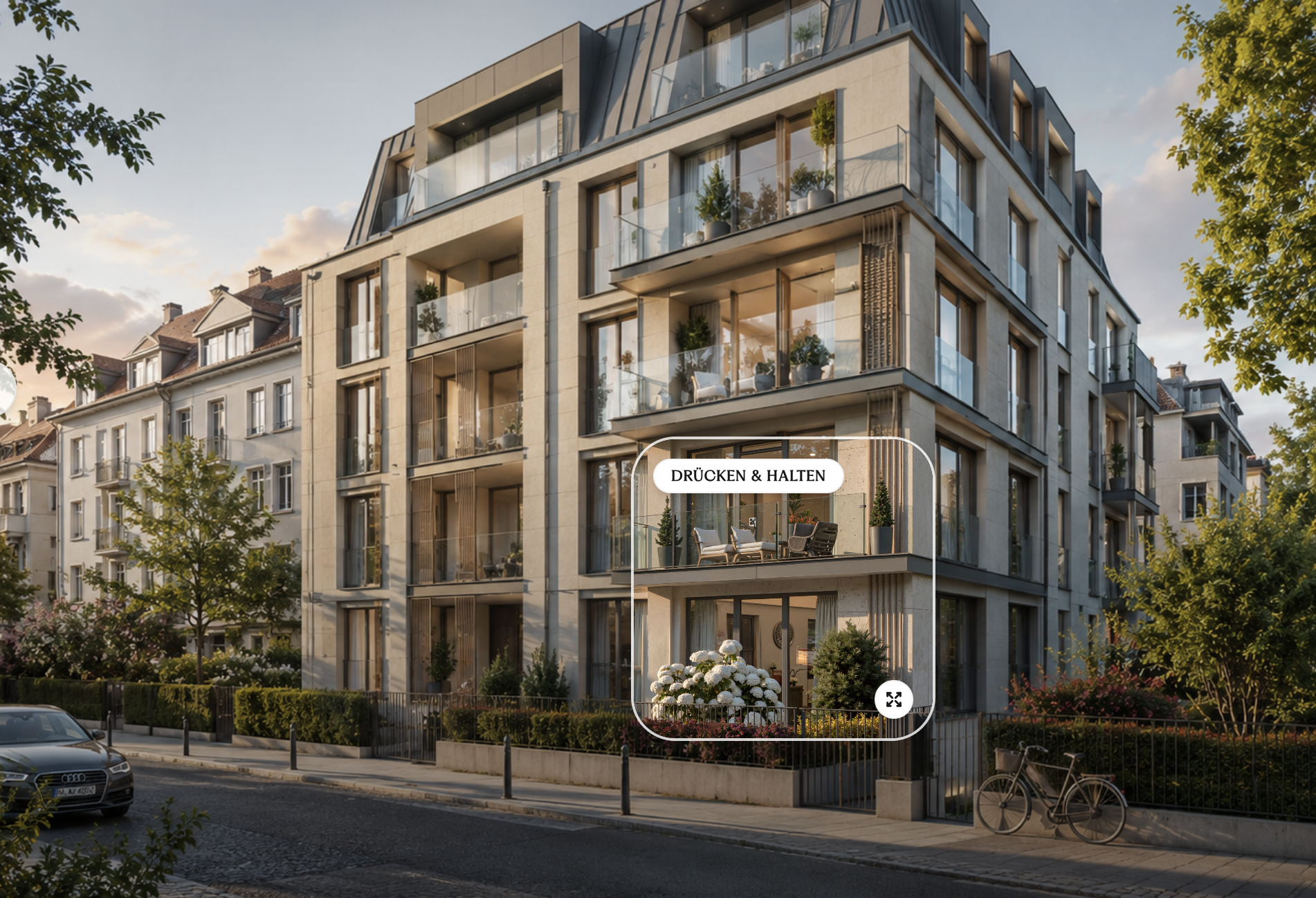
Suburban Townhouse
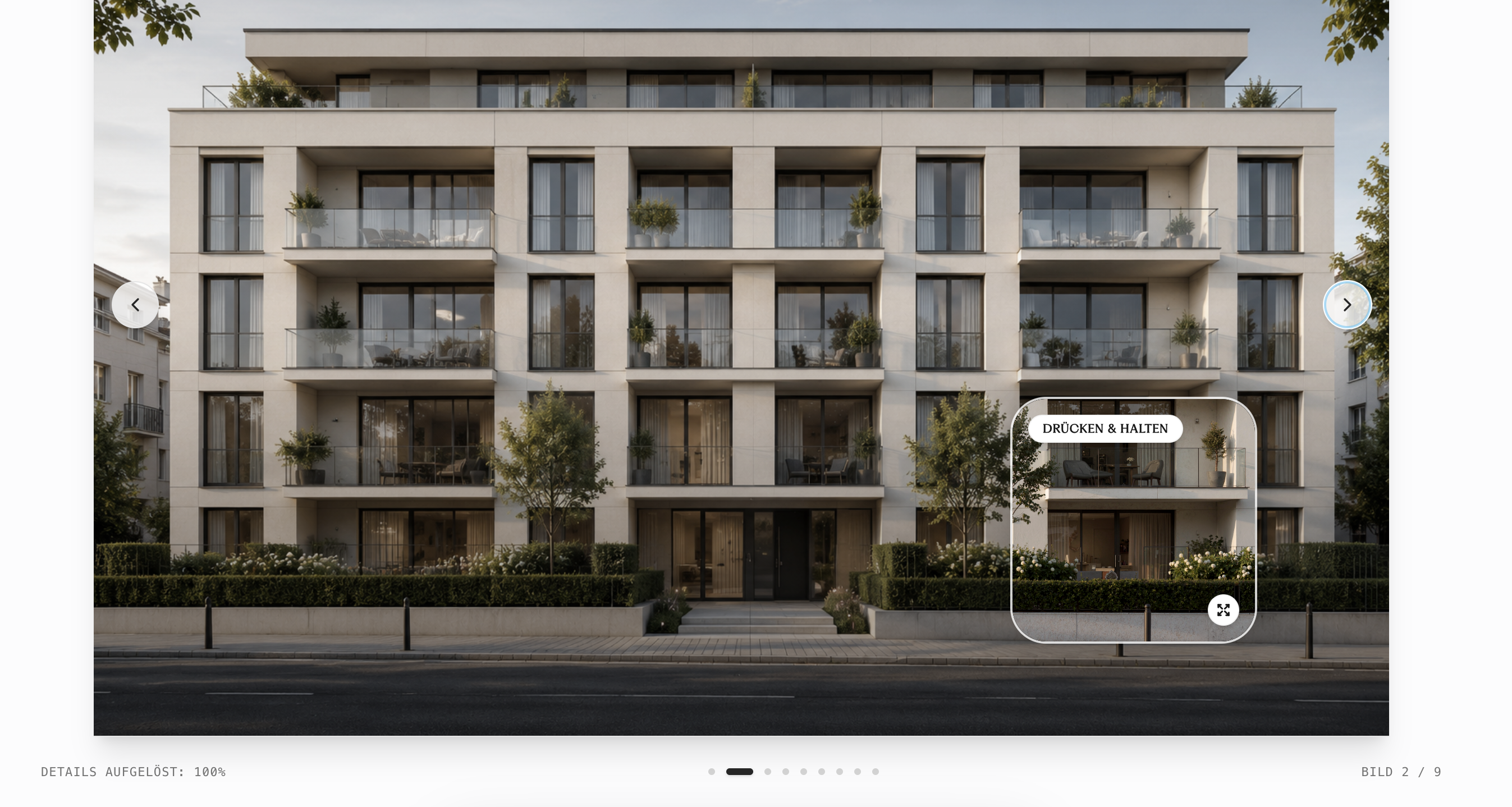
Apartment building
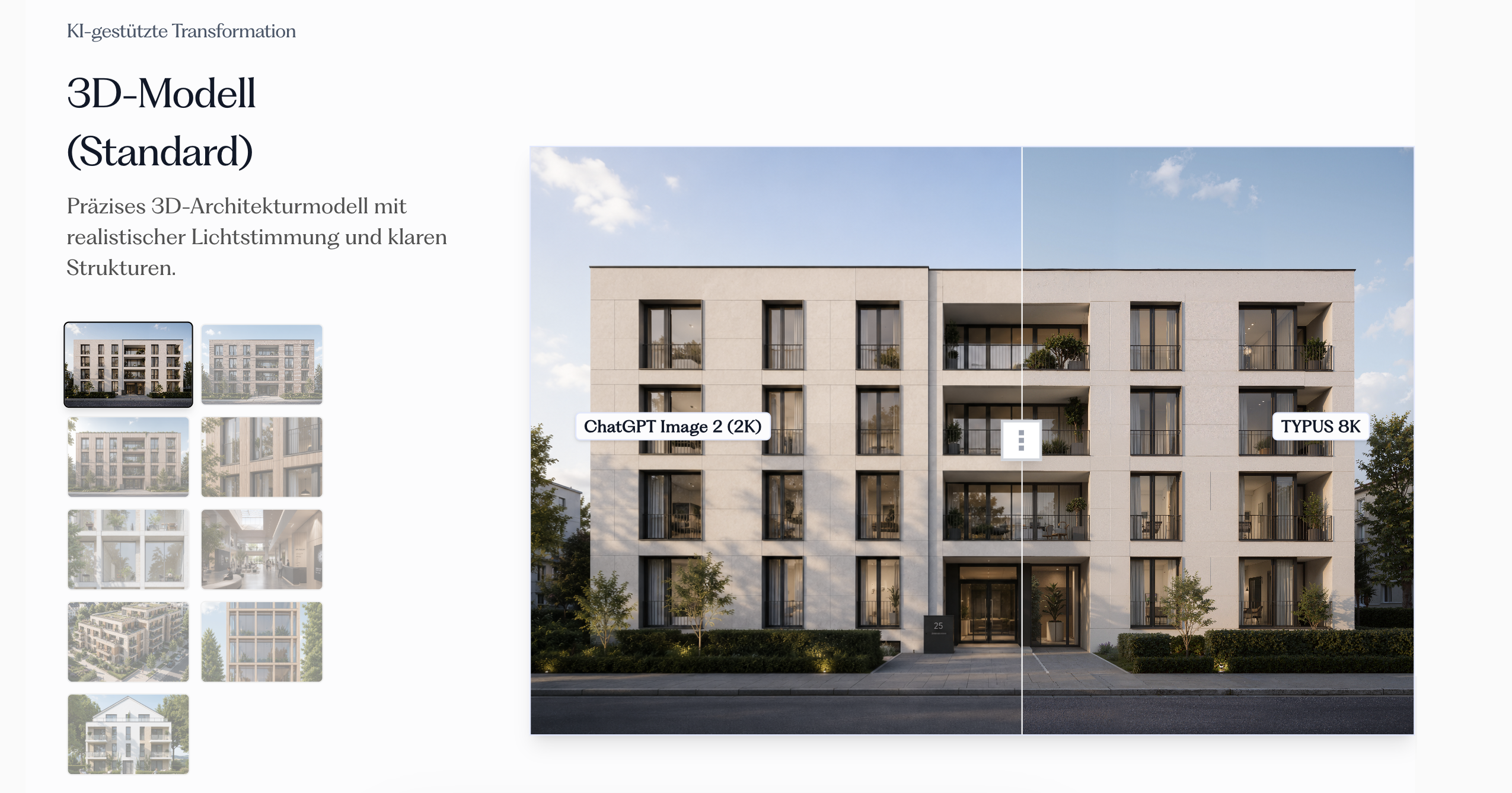
Architectural Studio
EXCLUSIVE FEATURE
Want to experience the 8K detail zoom interactively?
Submit your email to access our high-resolution interactive showcase (optimized for desktop), or explore our pricing plans.
MORE CONTROL. LESS RANDOMNESS.
AI should enhance your design intent – not change it. Typus.ai was developed for architects who want to utilize the speed of modern AI without losing control over geometry, materials, and representation. Visualizations, diagrams, and axonometrics that look like your project – not an AI's interpretation.